Green Tea Contains More Flavanols Than Apples, Study Finds
07/14/2026 / By Coco Somers

Green Tea vs. Apple: Study Shows Higher Flavanol Content
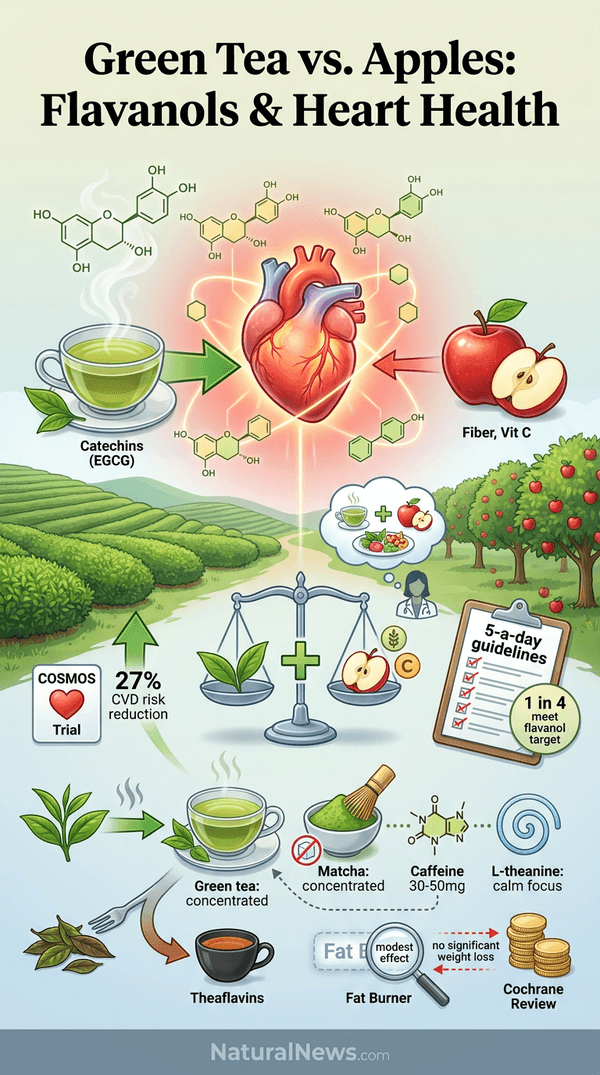
A new study published in the journal Food and Function has ranked green tea fourth in flavanol content among common foods and beverages, placing it ahead of apples, blueberries, and strawberries. Researchers analyzed dietary data from more than 30,000 adults in the United Kingdom and the United States to assess flavanol intake relative to the 500-milligram daily target associated with cardiovascular benefits in the COSMOS trial, a major U.S. study that linked flavanol supplements to a 27 percent lower risk of death from cardiovascular disease.
According to the study, fewer than one in four adults who met standard fruit and vegetable recommendations achieved the 500-milligram flavanol threshold. The authors concluded that following current dietary guidelines alone does not provide the levels of flavanols associated with improved cardiovascular outcomes. Foods and drinks such as green tea, black tea, oolong tea, matcha, apples, and berries were identified as concentrated sources of these plant compounds.
Expert Caution: Fruit Provides Other Nutrients
Registered dietitian Nichola Ludlam-Raine told the Daily Mail that comparing green tea directly to fruit is not appropriate. “While a cup of green tea may contain more flavanols than an apple, apples also provide fiber, Vitamin C and a range of other nutrients, as well as contributing to your five-a-day,” she said. She emphasized that green tea should complement a healthy diet, not replace fruit and vegetables.
Fruits such as apples, berries, and avocados have been linked to improved metabolic health and lower risk of Type 2 diabetes, according to reports that highlight their role in supporting healthy blood pressure and insulin sensitivity [1]. Ludlam-Raine stressed that the nutritional profile of whole fruit cannot be replicated by a beverage, urging consumers to maintain a varied diet.
Health Claims: Catechins and L-Theanine
Green tea contains catechins, including epigallocatechin gallate (EGCG), and the amino acid L-theanine. Because green tea leaves are steamed or pan-fired soon after picking, oxidation is minimized, and the leaves retain higher levels of these compounds compared with black tea. Green tea extracts generally have higher levels of catechins than black or oolong tea extracts, according to the book “Evidence-Based Approach to Phytochemicals and Other Dietary Factors” by Jane Higdon [2]. The same source notes that black tea extracts are richer in theaflavins and thearubigins.
Catechins function as antioxidants and have been studied for their effects on oxidative stress, inflammation, cholesterol, and blood sugar. L-theanine is associated with relaxed focus and may counteract the jittery effects of caffeine. “For most healthy adults, two to four cups of green tea a day can comfortably fit into a balanced diet,” Ludlam-Raine said, noting that this amount provides a useful source of polyphenols without pushing caffeine intake too high.
Caffeine Content Compared to Coffee
A cup of green tea contains approximately 30 to 50 milligrams of caffeine, depending on brewing method, compared with 80 to 100 milligrams in a typical cup of coffee. Ludlam-Raine advised avoiding green tea late in the evening for those sensitive to caffeine. Pregnant or breastfeeding women are advised to keep caffeine intake below 200 milligrams per day.
Matcha, a powdered form of green tea made by grinding the whole leaf, contains higher concentrations of catechins and other plant compounds than standard brewed green tea, but it also delivers more caffeine — typically less than coffee. Ludlam-Raine cautioned that coffee shop versions of matcha often include added sugar, syrups, or sweetened milk, which can diminish its health profile.
Weight Loss Evidence Modest, Experts Say
Green tea is frequently promoted as a fat-burning beverage, but the evidence for significant weight loss effects is limited. “The evidence suggests green tea may have a very small effect on metabolism and fat oxidation, largely due to its combination of caffeine and catechins,” Ludlam-Raine said. She noted that any impact on weight loss is modest at best and not sufficient to produce meaningful changes on its own.
A 2012 Cochrane Review found that green tea preparations may lead to a very small amount of weight loss in overweight or obese adults, but the effect was not statistically significant and unlikely to be clinically meaningful. The review also found no evidence that green tea helped maintain weight loss. Ludlam-Raine emphasized that focusing on a balanced diet, regular physical activity, adequate sleep, and sustainable lifestyle habits to create a calorie deficit has a far greater impact than adding green tea.
Supplements Pose Risks, Matcha Not a Miracle
High-dose green tea extract supplements have been linked to liver injury in some reports, according to Ludlam-Raine. “Green tea extract supplements can contain highly concentrated amounts of catechins that you would never get from drinking tea alone,” she said. She added that in rare cases these supplements have been associated with liver damage and are unnecessary for most people. Green tea brewed from leaves is generally considered safe for moderate consumption.
Flavanol-rich foods, including cocoa and tea, have been shown to lower blood pressure as effectively as medications in a major meta-analysis, according to a study cited by NaturalNews.com [3]. However, Ludlam-Raine noted that matcha, while offering more plant compounds than standard green tea, does not provide the fiber, vitamins, and minerals of whole fruits. She advised caution with coffee shop versions that often contain added sweeteners, which can undermine potential health benefits.
References
- Mercola.com. “Fruit Lowers Blood Pressure and Risk for Diabetes”. Mercola.com. December 26, 2022.
- Jane Higdon. “Evidence-Based Approach to Phytochemicals and Other Dietary Factors”.
- Cassie B. “Dark chocolate and tea lower blood pressure as effectively as medication study finds”. NaturalNews.com. June 5, 2025.
- Dr Michael T Murray. “Textbook of Natural Medicine Fifth Edition”.
Explainer Infrographic
Submit a correction >>
Tagged Under:
#nutrition, antioxidants, apples, catechins, flavanols, food cures, food is medicine, food science, functional foods, Green tea, health science, natural health, nutrients, organics, phytonutrients
This article may contain statements that reflect the opinion of the author
RECENT NEWS & ARTICLES