The golden spice’s new frontier: Ancient saffron shows promise in calming modern gut and mind ailments
05/12/2026 / By Ava Grace
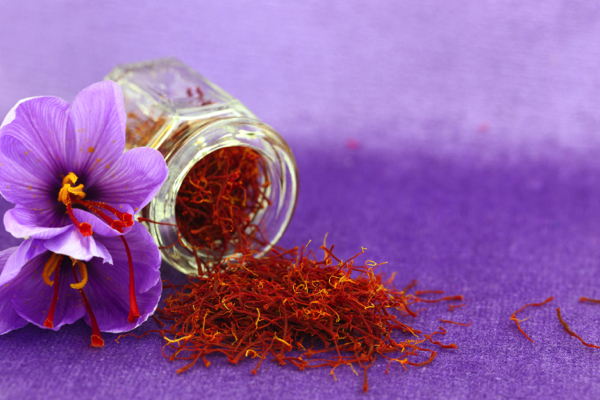
- A clinical trial found that a high-dose saffron supplement (50 mg twice daily) significantly reduced gut inflammation and improved clinical symptoms in patients with ulcerative colitis.
- The same high-dose treatment led to a substantial reduction in anxiety scores and improved quality of life, highlighting a link between physical inflammation and mental health.
- The anti-inflammatory effects were confirmed in a validation study, with lab tests showing saffron reduces pro-inflammatory molecules and promotes a healthier gut microbiome.
- The research adds to existing evidence that saffron may help with depression, age-related cognitive decline, cardiovascular health and has shown anticancer properties in lab studies.
- Experts caution that saffron is a supplement, not a cure, and therapeutic doses for conditions like ulcerative colitis require standardized supplements under a doctor’s supervision, not just culinary use.
In a compelling fusion of ancient tradition and modern clinical science, the world’s most valuable spice is demonstrating potent effects far beyond the culinary realm. A rigorous new study provides evidence that high-dose saffron supplements can significantly reduce gut inflammation and alleviate anxiety in patients suffering from a chronic digestive disease. This research offers a glimmer of hope for millions managing ulcerative colitis while underscoring a growing scientific principle: that inflammation is a common thread linking physical and mental health crises.
For over four millennia, saffron has been woven into the cultural and medicinal fabric of civilizations. Today, researchers are subjecting these age-old claims to the exacting standards of the modern clinical trial. The latest findings suggest this golden spice may be a powerful ally against the intertwined epidemics of inflammatory disease and anxiety.
Targeting the inflamed gut
The study focused on 30 patients diagnosed with ulcerative colitis (UC). Participants were divided into three groups, receiving either a placebo, a low dose (25 mg) or a high dose (50 mg) of a saffron supplement twice daily for eight weeks.
The results were striking. Patients in the high-dose group showed marked improvement in key clinical measurements of their disease. Objective biological markers of inflammation in the body also fell. Levels of C-reactive protein decreased, as did fecal calprotectin, a protein directly indicating intestinal inflammation.
A calming effect on the mind
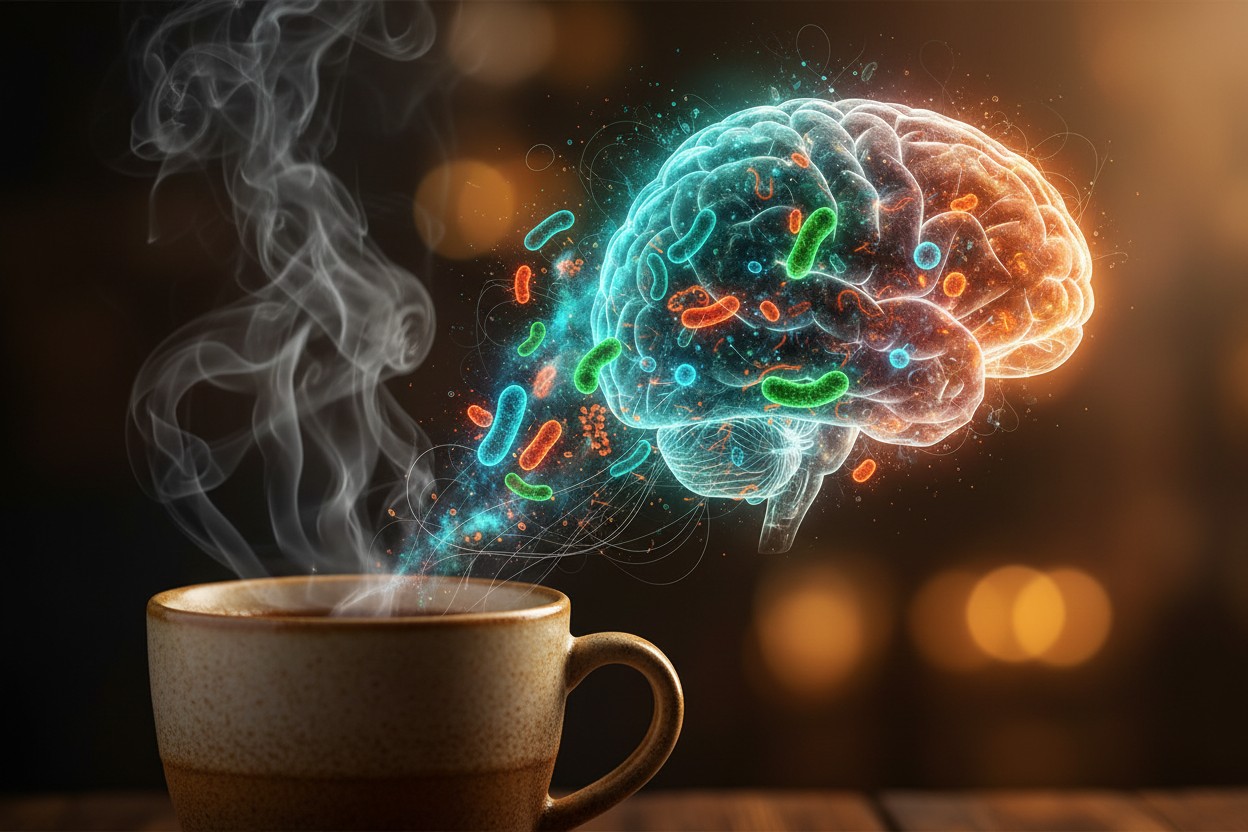
Perhaps the most intriguing finding extended beyond the gut. Participants receiving the high dose of saffron also registered a substantial improvement in their anxiety scores and reported a better quality of life. This dual benefit suggests saffron’s impact is systemic, addressing not just the local inflammation in the colon but potentially influencing the broader inflammatory state that affects the entire body—including the brain.
This connection is at the heart of a revolutionary shift in medical understanding. Emerging science posits that neuroinflammation is a key contributor to mood disorders. By damping down systemic inflammation, an anti-inflammatory agent like saffron may indirectly soothe an overstressed nervous system.
Scientific validation across continents
To bolster their findings, the research team conducted a smaller validation study. The results mirrored the larger trial. In a powerful demonstration of cause and effect, patients stopped and later resumed the saffron supplement; their inflammation markers climbed and fell accordingly, solidifying the link.
Laboratory analysis provided deeper insight. Blood tests revealed that saffron consumption decreased pro-inflammatory signaling molecules while boosting anti-inflammatory ones. Furthermore, analysis showed saffron promoted a healthier gut microbiome composition.
Saffron’s expanding portfolio of benefits
This study adds to a growing dossier of clinical research. Previous work has shown saffron compounds can be as effective as certain antidepressant medications for mild-to-moderate depression.
Its benefits appear to be wide-ranging. On the basis of this pioneering research, experts are optimistic about saffron’s potential to alleviate age-related cognitive decline. This golden spice also exhibits protective qualities against cardiovascular disease. In one study where participants consumed saffron, their cholesterol was found to be significantly less prone to damage by free radicals.
Its anti-inflammatory action supports its traditional use, and it shows promise in eye health. Even in preliminary cancer research, test-tube studies have observed saffron extracts selectively killing colon cancer cells while sparing healthy ones.
A note of caution and context
Despite the exciting results, scientists and clinicians urge perspective. Ulcerative colitis is a complex, serious condition. Saffron is not a cure, and the study investigated its use as a supplement alongside standard treatment, not as a replacement. Anyone with a health condition must consult a physician before beginning any new supplement regimen.
Furthermore, the study used a concentrated supplement to deliver a precise, high dose. While incorporating culinary saffron into one’s diet is safe for most, achieving a therapeutic dose for clinical conditions likely requires standardized supplementation under medical guidance.
The golden thread to health
As modern societies grapple with soaring rates of chronic diseases, science is increasingly looking to dietary and botanical interventions that address root causes like oxidative stress and chronic inflammation. Saffron, with its millennia of safe use and a potent mix of beneficial compounds, stands as a prime candidate for this integrative approach.
“Gut inflammation is a condition where the intestines experience swelling and immune system activation,” said BrightU.AI‘s Enoch. “It is regulated by a balance between aggressive immune responses that can damage the intestinal lining and other protective processes. This state can result from various triggers and disrupt the normal, healthy function of the gut.”
This research is more than a positive clinical outcome. It is a testament to the enduring wisdom of traditional medicine and a beacon for future discovery. It reinforces the profound connection between gut health and mental well-being. As the clinical evidence matures, the world’s most precious spice is proving its value in its potential to alleviate human suffering, offering a gentle, golden thread connecting our past to a healthier future.
Watch this video about saffron’s health benefits.
This video is from the Daily Videos channel on Brighteon.com.
Sources include:
Submit a correction >>
Tagged Under:
alternative medicine, anti-inflammatory, food cures, food is medicine, gut health, herbal medicine, Herbs, inflammation, Mind, natural cures, natural medicine, Naturopathy, neuroinflammation, remedies, saffron, supplements, ulcerative colitis
This article may contain statements that reflect the opinion of the author
RECENT NEWS & ARTICLES