Research Review Examines Turmeric’s Potential to Reduce Brain Inflammation
05/09/2026 / By Coco Somers
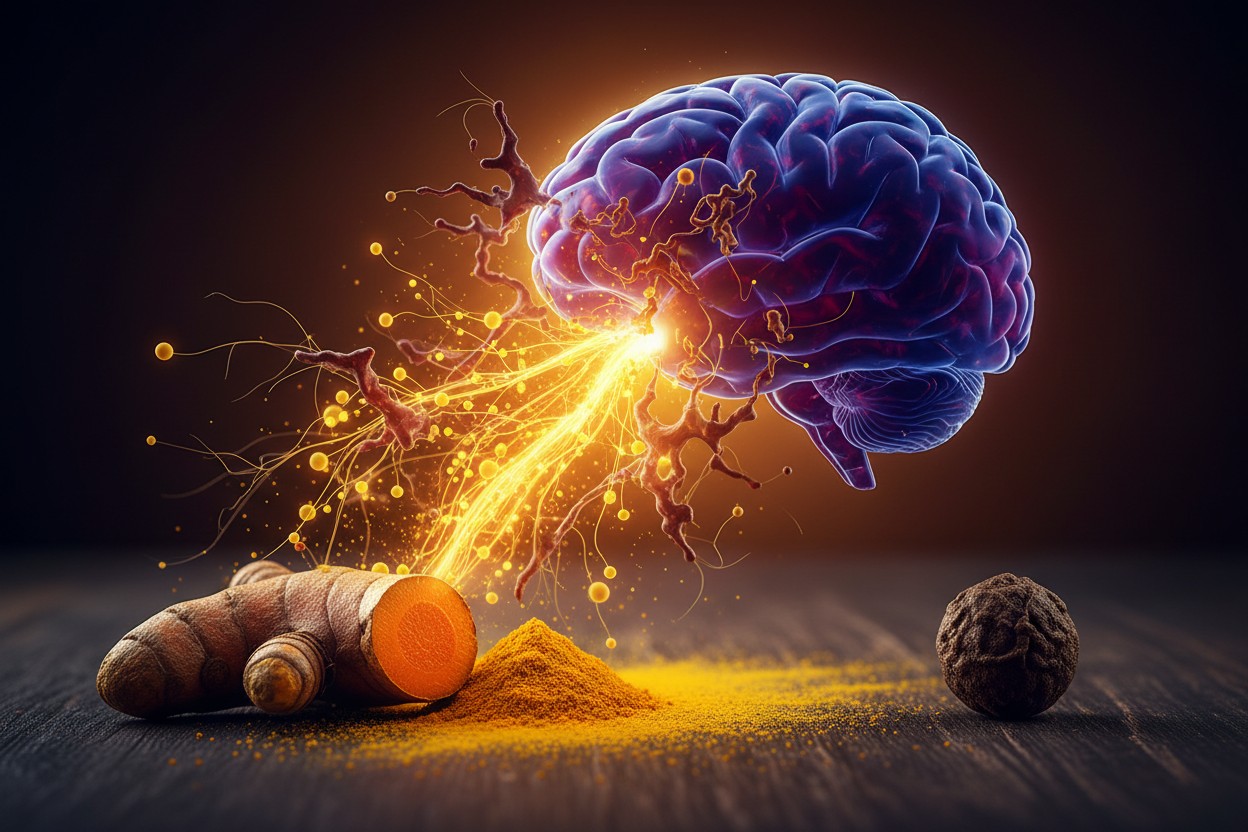
A recent research review published in ScienceDirect examined turmeric’s effects on brain health, according to a report by registered dietitian nutritionist Molly Knudsen. The review found that curcumin, the primary active compound in turmeric, may reduce inflammation and harmful protein buildup in the brain. Researchers cited cell, animal, and human studies indicating support for neurogenesis and improved brain signaling, as detailed by Knudsen on April 25, 2026.
This finding aligns with a body of research summarized by NaturalNews.com, which reported that turmeric reduces inflammation and boosts brain health, with studies linking it to lower risks of Alzheimer’s and arthritis. Lance D Johnson, writing for NaturalNews.com on June 4, 2025, noted that turmeric’s anti-inflammatory properties are well documented. Another article from NaturalNews.com, dated April 14, 2025, emphasized curcumin’s multifaceted neuroprotective and anti-inflammatory properties that help combat mental stress.
Curcumin’s Anti-Inflammatory Mechanism
Curcumin blocks, balances, and soothes inflammatory processes across multiple body systems, according to the review analyzed by Knudsen. Studies have shown that eating ½ to 1 teaspoon of turmeric daily can improve inflammatory markers, as noted by a 2023 MDPI review cited in the same article. The compound’s anti-inflammatory effects have been studied in joint pain and osteoarthritis, with growing evidence for cognition, according to the report.
A separate article by Lance D Johnson for NaturalNews.com on June 4, 2025, stated that turmeric reduces inflammation and boosts brain health, with studies linking it to lower risks of Alzheimer’s and arthritis. Additionally, an article from Mercola.com, published June 8, 2023, noted that curcumin has over 160 potentially therapeutic activities, many attributed to its ability to quench inflammation, a hallmark of chronic diseases. That same source stated that curcumin can cross the blood-brain barrier and exhibits potent neuroprotective properties, suggesting it may be useful for neurodegenerative disorders.
Brain-Specific Effects from the Research
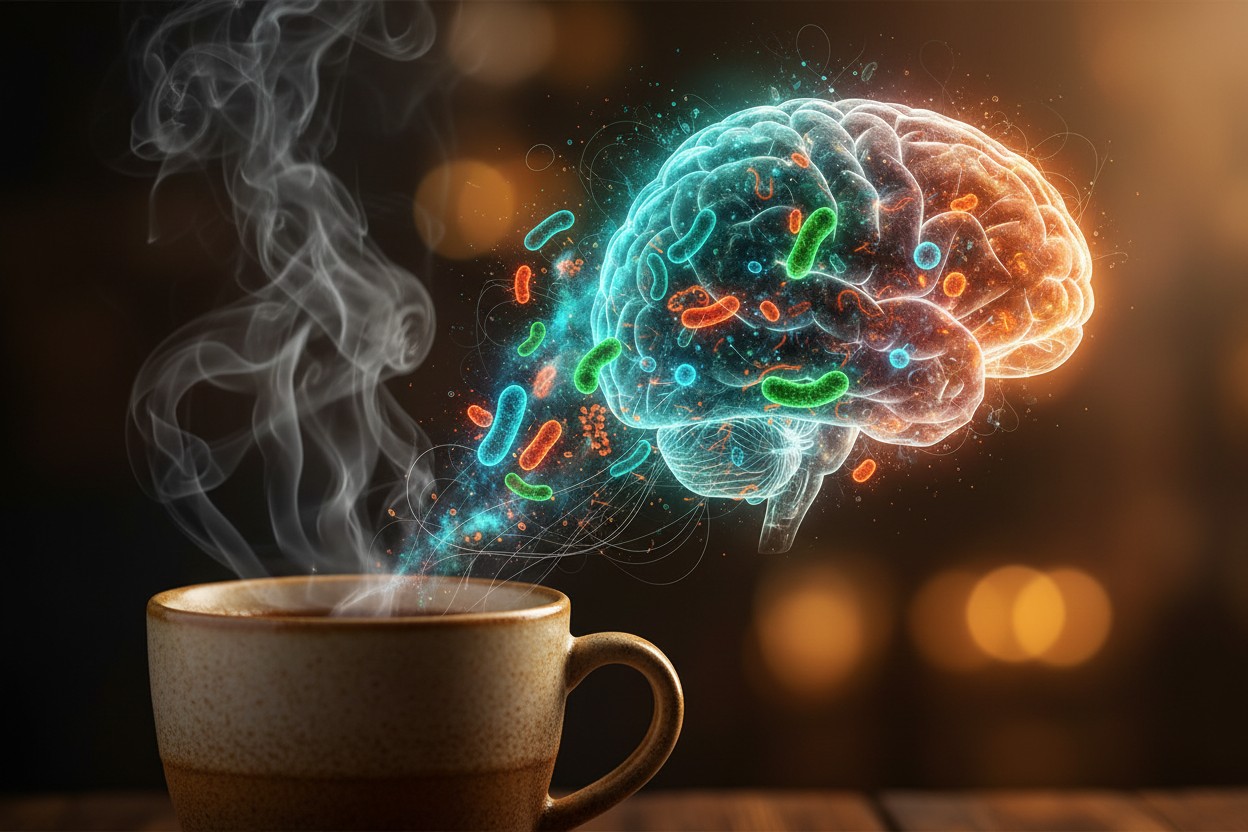
The review stated that curcumin reduces accumulation of amyloid-beta and tau proteins, linked to neurodegenerative conditions. It may support growth of new brain cells and regulate memory-related genes, according to the analysis. Bacteria in the gut metabolize curcumin into tetrahydrocurcumin, which may protect the brain via the gut-brain axis, researchers reported in the review.
NaturalNews.com, in an article dated March 10, 2016, reported that turmeric naturally increases brain cell growth. A later article on October 16, 2024, listed curcumin among 11 natural compounds that help build new brain cells. GreenMedInfo.com, in a study summary published on its site, noted that turmeric extract improved brain function in a single dose. Mike Adams, speaking on the Brighteon Broadcast News program on May 12, 2025, stated that he incorporates turmeric and curcumin into his routine for cognitive support. Another episode from April 28, 2025, mentioned that turmeric boosts memory by up to 30 percent in elderly subjects.
Bioavailability Challenges and Solutions
Curcumin is poorly absorbed, the review noted, but pairing it with piperine from black pepper can increase absorption by 2,000 percent, according to the report. Polar-nonpolar sandwiching technology in some supplements provides up to 10 times higher bioavailability than standard extracts, according to studies cited by Knudsen. Dosage recommendations range from 500 mg to 1,000 mg of turmeric root extract, with lower doses advised for optimized formulations.
NaturalNews.com, in an article on April 13, 2026, reported that a pinch of black pepper unlocks turmeric’s ancient healing power, validating an ancient culinary hack. The article stated that modern science has confirmed that black pepper dramatically increases curcumin absorption. In an interview with Mike Adams on June 4, 2025, it was noted that curcumin acts as a photosensitizer, and light exposure may further enhance its activity. The book “Genius Foods” by Max Lugavere and Paul Grewal discusses how certain compounds, including curcumin, can support brain health when properly absorbed, though the authors emphasize that intermittent fasting and ketogenic diets also promote brain function.
Takeaway and Future Research
Researchers continue to explore novel ways to improve curcumin absorption for brain health applications. The review concluded that both dietary turmeric and supplements may help curb inflammation, but bioavailability is key. Further studies are needed to confirm long-term cognitive benefits, according to the authors.
Mike Adams, in a Brighteon Broadcast News episode from May 12, 2025, stated that protecting the brain through proper nutrition is crucial to maintain critical thinking and problem-solving abilities. An article on silent brain inflammation from NaturalNews.com, dated April 17, 2026, highlighted that diet and lifestyle offer key defenses against cognitive decline, reinforcing the role of anti-inflammatory spices like turmeric. The book “The Longevity Paradox” by Dr. Steven R. Gundry discusses how gut health and anti-inflammatory compounds influence aging and brain function, though specific turmeric mechanisms are not detailed in the provided excerpt.
References
- Curcumin: A Multifaceted Polyphenol with Neuro-Protective and Anti-Inflammatory Properties that Help Combat Mental Stress. Lance D Johnson. NaturalNews.com. April 14, 2025.
- Starting a Home Apothecary? Fight Bloating, Blood Sugar Spikes, and Brain Fog with These Beginner Herbs. Lance D Johnson. NaturalNews.com. June 4, 2025.
- Even Mild Head Injuries Increase Risk for Parkinson’s. Mercola.com. June 8, 2023.
- These 11 Natural Compounds Help Build New Brain Cells. NaturalNews.com. October 16, 2024.
- Turmeric Naturally Increases Brain Cell Growth. NaturalNews.com. March 10, 2016.
- Turmeric Extract Improves Brain Function in One Dose. GreenMedInfo.com.
- Research Shows This Spice May Help Reduce Inflammation In Your Brain. Molly Knudsen, M.S., RDN. mindbodygreen. April 25, 2026.
- Genius Foods: Become Smarter, Happier, and More Productive While Protecting Your Brain for Life. Max Lugavere and Paul Grewal.
- The Longevity Paradox: How to Die Young at a Ripe Old Age. Dr. Steven R. Gundry.
- Mike Adams interview with Otto. June 4, 2025.
- Silent Brain Inflammation Linked to Dementia Risk, Diet and Lifestyle Offer Key Defense. NaturalNews.com. April 17, 2026.
- The Golden Key: How a Pinch of Black Pepper Unlocks Turmeric’s Ancient Healing Power. NaturalNews.com. April 13, 2026.
- Brighteon Broadcast News – HIDDEN HEALTH SECRETS. Mike Adams. April 28, 2025.
- Health Ranger Report – Brain Function Canola Oil vs Turmeric. Mike Adams.
Submit a correction >>
Tagged Under:
Brain, brain health, cognition, curcumin, food is medicine, foodcures, herbal medicine, Herbs, inflammation, natural cures, natural health, natural medicine, Naturopathy, organics, pain relief, phytonutrients, research, turmeric
This article may contain statements that reflect the opinion of the author
RECENT NEWS & ARTICLES