Study finds plant-based protein, not meat, linked to milder psoriasis symptoms
02/25/2026 / By Cassie B.
- Your diet choices can directly impact psoriasis severity, according to new research.
- High meat-based protein intake more than doubles the odds of experiencing severe symptoms.
- Plant-based protein intake is strongly protective against severe psoriasis.
- Sugary drinks nearly quadruple the likelihood of severe disease.
- Researchers call for dietary advice to become a part of standard clinical care.
For the millions of people who are regularly navigating the itchy, scaly reality of psoriasis, a new study offers a powerful and potentially liberating insight into better control: What’s on your plate may be as important as what’s in your prescription. Published in the European Journal of Nutrition, research from King’s College London provides compelling evidence that dietary choices are directly linked to the severity of this chronic inflammatory condition.
The study, part of the Asking People with Psoriasis about Lifestyle and Eating (APPLE) project, analyzed data from 257 adults with psoriasis in the United Kingdom. It found that participants consistently over-consumed free sugars and under-consumed fiber compared to national dietary guidelines. This nutritional imbalance was not just a footnote; it was significantly correlated with their disease experience.
The protein paradox
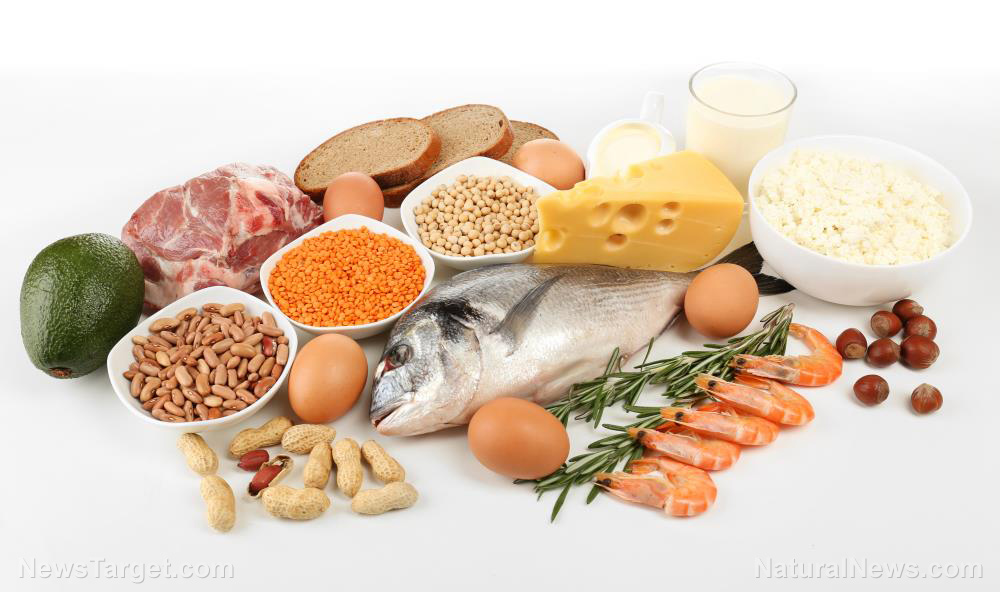
One of the most striking findings centers on protein sources. Researchers discovered that the source of dietary protein mattered greatly. Participants who derived a higher proportion of their protein from total meat sources were more likely to report high psoriasis severity. In fact, those in the third quartile for meat-based protein intake had 2.47 times the odds of severe symptoms compared to those who ate the least.
Conversely, the study revealed that there is a protective association with plant-based nutrition. A greater proportion of protein from plant sources was inversely linked to disease severity. Those with higher plant protein intake had just 0.36 times the odds of reporting severe psoriasis. “Prioritising plant-based foods may be beneficial to people living with psoriasis,” the authors concluded in the study.
Sugar’s inflammatory role
The analysis also pinpointed sugary beverages as a particular problem. Individuals who consumed the highest percentage of free sugars from drinks were 3.85 times more likely to have severe psoriasis. This relationship appeared to be influenced by body weight, suggesting sugar-sweetened beverages could be a key dietary target, especially for overweight individuals with psoriasis who want to reduce their symptoms and improve their overall health.
These findings align with a companion study carried out by the same team that was published in the British Journal of Nutrition, which found that low adherence to healthy, plant-rich dietary patterns was strongly associated with worse psoriasis. “Our findings point to the potential benefits of dietary interventions in improving patient outcomes,” said lead researcher Sylvia Zanesco, a Ph.D. student at King’s College London.
A call for dietary integration
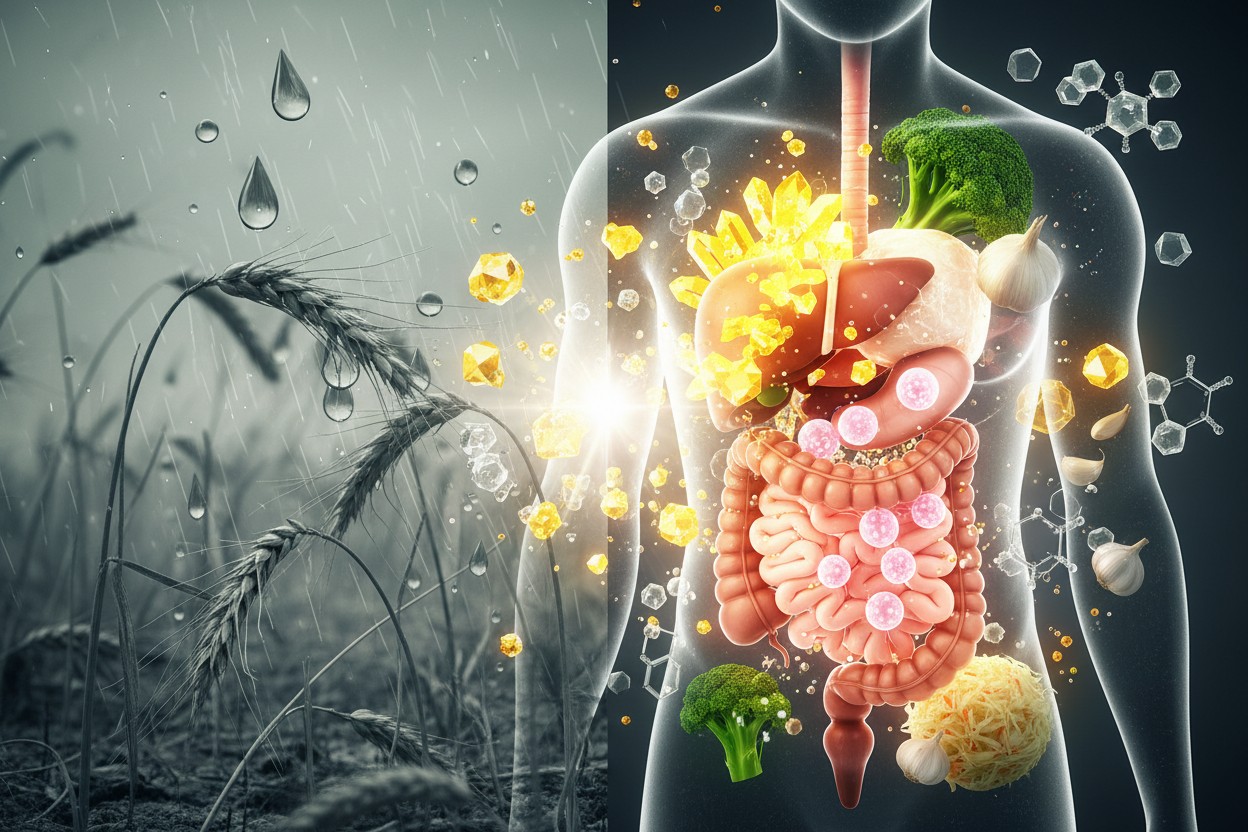
The research adds substantial weight to the growing conversation about the gut-skin axis and diet’s role in inflammatory diseases. While the study is observational and cannot prove cause and effect, it builds a clear hypothesis that shifting nutritional patterns can influence symptom burden.
Senior author Professor Wendy Hall emphasized the clinical implications. “This research brings much-needed evidence that there may be a role for dietary advice, alongside standard clinical care, in managing symptoms of psoriasis,” Hall said. The team is now calling for randomized controlled trials to test whether adopting plant-based diets can actively reduce symptoms.
For patients who have long wondered about the connection between their diet and their skin, this science moves the dialogue from anecdote to evidence. It suggests that managing psoriasis may extend beyond the medicine cabinet to the kitchen, where choosing beans over beef and water over soda could become a tangible part of finding relief.
Sources for this article include:
Submit a correction >>
Tagged Under:
alternative medicine, discoveries, food cures, food is medicine, food science, health science, meat protein, natural health, natural medicine, Naturopathy, organics, plant protein, plant-based diet, psoriasis, real investigations, research, skin health, veggie
This article may contain statements that reflect the opinion of the author
RECENT NEWS & ARTICLES